Have you or someone you know noticed dark, velvety patches of skin on the back of the neck or under the arms? While it may look like a buildup of dirt, this skin change could be a sign of an underlying health issue — one that shouldn’t be ignored.
This condition is known as Acanthosis Nigricans, and it is commonly associated with insulin resistance and elevated blood sugar levels. Recognizing this early symptom could be key in preventing more serious health conditions such as type 2 diabetes.
What Is Acanthosis Nigricans?
user posted image
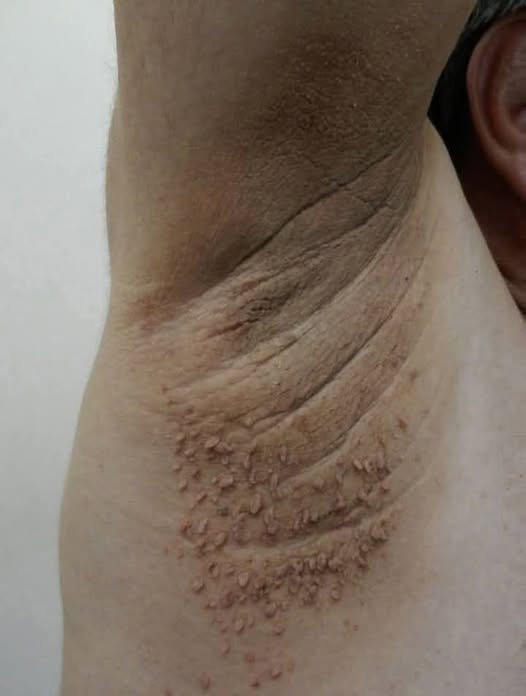
Acanthosis Nigricans is a skin condition characterized by darkened, thickened, and velvety areas of skin, most commonly found in body folds such as:
The back of the neck
Armpits
Groin area
The affected areas may feel soft or textured, and in some cases, may have increased hair growth. While the patches may resemble dirt, they cannot be washed or scrubbed off and should not be confused with poor hygiene.
What Causes Acanthosis Nigricans?
Acanthosis Nigricans Skin Pigmentation | Dermatology Houston, Spring TX | Katy
This condition is not a disease itself, but rather a visible sign of an underlying medical issue. Common causes include:
Insulin resistance, often seen in individuals with prediabetes or type 2 diabetes
Obesity, especially in children and adolescents
Hormonal disorders
Genetic factors
In rare cases, medications or tumors
According to healthcare professionals, children and adults with obesity who develop Acanthosis Nigricans may be at increased risk of developing type 2 diabetes, making it a useful early warning sign.
A Doctor’s Insight: A Public Health Reminder
Cutaneous Alerts in Systemic Malignancy: Part I | Actas Dermo-Sifiliográficas
Dr. Hafizah Mohamed, a medical professional and member of the #medtweetMY health awareness community, recently shared on social media that darkened skin patches on the neck — particularly in children — could be an early sign of rising blood sugar levels.
“This isn’t just a buildup of dead skin cells. If your child or someone you know has these patches, it may be time to check their blood sugar,” she advised.
Dr. Hafizah emphasized that these patches are not itchy and generally don’t cause discomfort. If the area is itchy, red, or painful, it may be a different skin condition such as eczema, which would require different treatment.
How to Check Blood Sugar Levels
user posted image
Many pharmacies offer on-site blood glucose testing, and blood glucose meters are available for home use. If you’re concerned about dark patches of skin or other symptoms, it’s best to speak with a general practitioner who can provide a diagnosis and further testing.
Checking blood sugar regularly can help identify early signs of prediabetes and allow for lifestyle changes or medical intervention before more serious complications develop.
Other Possible Conditions: Not Always Diabetes
user posted image
It’s important to note that not all dark patches are caused by Acanthosis Nigricans. Another condition that can look similar is Terra Firma-Forme Dermatosis (TFFD). This harmless skin condition presents as brown or black plaques and can often be removed with 70% isopropyl alcohol swabbing.
If you notice dark spots on the skin that resemble dirt but don’t wash off easily, a healthcare provider can help determine whether it’s TFFD, Acanthosis Nigricans, or another dermatological condition.
Leave a Reply