.
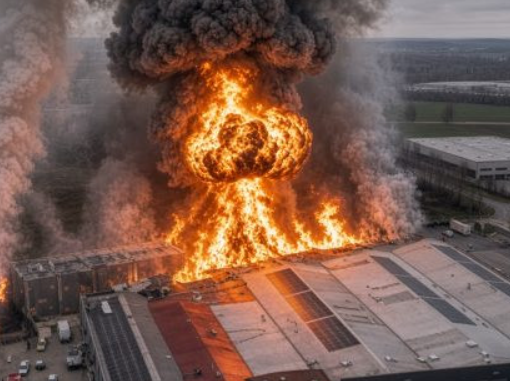
A devastating explosion and fire at the Violanta biscuit factory near Trikala, central Greece, killed five female workers and injured seven other people in the early hours of January 26, 2026. The tragedy has triggered a major criminal investigation into suspected safety failures and a prolonged propane gas leak at the industrial facility.
The explosion occurred at approximately 3:56 a.m. while employees were working the overnight shift. Thirteen workers were reportedly inside the factory when the blast struck. Eight managed to escape, while five women became trapped inside the burning building.
Firefighters battled intense flames and thick black smoke as rescue teams searched the damaged facility. The final victim was recovered on January 27. Seven people, including six factory workers and a firefighter, were treated at a local hospital.
Investigators later determined that a propane leak from underground pipelines was responsible for the explosion. The gas, used to power the factory’s industrial ovens, had reportedly been escaping for months before accumulating in an enclosed area beneath the production building.
According to findings announced by Greece’s Fire Service, the leaked gas traveled through underground areas before collecting in the factory’s basement. An electrical spark from equipment inside the facility is believed to have ignited the accumulated gas, triggering the devastating blast.
The investigation also raised serious questions about the factory’s safety systems. Reports indicated that gas detectors were not installed in the affected facility, despite concerns about possible gas odors before the disaster.
Surviving workers reportedly told investigators that they had noticed the smell of gas before the explosion. Subsequent reporting also identified concerns involving the underground pipeline network, including corrosion, missing certifications and possible failures to address earlier warnings.
In February, prosecutors upgraded the charges against three individuals connected to the factory, including its owner, safety technician and shift manager. The charges included allegations of causing an explosion with possible intent, multiple counts of homicide and bodily harm. These remain criminal allegations, not convictions.
A technical report released in April by the National Technical University of Athens identified serious problems involving the underground propane pipelines, adding to questions about how the gas leak developed and why it was not prevented.
The legal proceedings continued through the summer. On September 1, factory owner Konstantinos Tziortziotis was released from pretrial detention under restrictive conditions. He was ordered to report to police once a month and prohibited from leaving Greece while the case remains pending.
The investigation also became more contentious in September after relatives of victims challenged the owner’s release. A separate report by Greek newspaper Kathimerini said two female employees had given testimony alleging intimidation and retaliatory dismissals connected to their accounts of workplace safety concerns. The company denied dismissing employees because of their testimony and rejected reports of layoffs linked to the investigation.
The tragedy has deeply affected the Trikala community and renewed concerns about industrial workplace safety in Greece. For the families of the five women who lost their lives, the central question remains whether the disaster could have been prevented through proper maintenance, inspections and timely action on reported safety concerns.
Leave a Reply