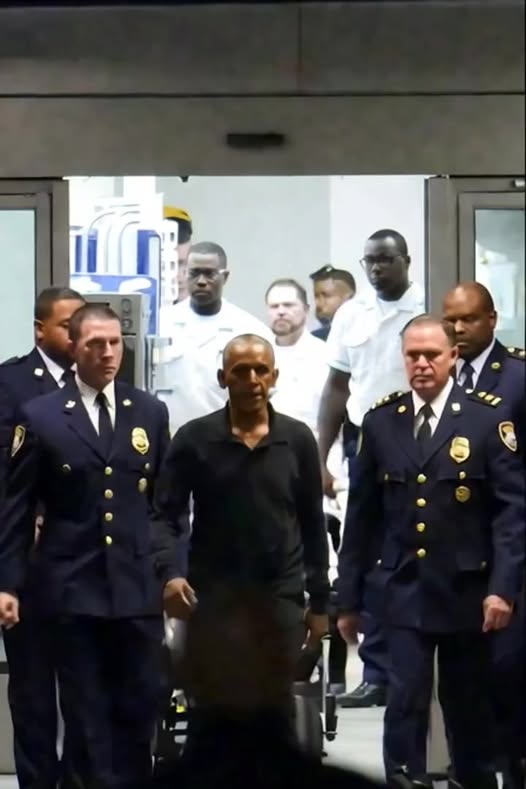
.
Washington has seen its share of political storms, but few developments have generated as much attention in recent weeks as the unexpected reaction of a former president to a controversial decision made by the current administration. What began as a routine policy announcement quickly evolved into a nationwide debate involving lawmakers, policy experts, business leaders, and ordinary citizens.
The controversy erupted shortly after the administration unveiled a sweeping initiative designed to address emerging challenges in national security and technology. Supporters praised the proposal as a necessary step toward modernizing government capabilities and preparing the nation for future threats. Critics, however, argued that the measure raised serious questions about oversight, privacy, and the balance of power.
As reactions poured in from across the political spectrum, one voice captured more attention than any other.
The former president, who had largely remained focused on public speaking engagements and charitable initiatives since leaving office, released a statement expressing concern about the direction of the policy. While careful not to directly attack his successor, he questioned whether sufficient safeguards had been established before moving forward with such a significant change.
His remarks immediately dominated headlines.
Political commentators noted that it is relatively uncommon for former presidents to weigh in so directly on active policy disputes. As a result, the statement was viewed by many as a sign that the issue had broader implications than originally believed.
Within hours, members of Congress began responding.
Some lawmakers echoed the former president’s concerns, arguing that major policy changes should undergo extensive review before implementation. Others defended the administration, insisting that the nation could not afford delays when confronting rapidly evolving challenges in technology and cybersecurity.
The debate soon expanded beyond Washington.
Universities, think tanks, industry groups, and legal scholars began publishing analyses examining both the benefits and potential risks associated with the initiative. Public forums and television programs devoted significant airtime to discussing whether the policy represented innovation or overreach.
At the center of the discussion was a fundamental question: how should governments adapt to modern threats while preserving the rights and freedoms citizens expect?
Supporters of the administration argued that the world has changed dramatically over the past decade. They pointed to increasing cyberattacks, sophisticated digital espionage campaigns, and growing concerns about critical infrastructure security. According to proponents, government agencies require updated tools and strategies to address challenges that did not exist in previous generations.
Opponents offered a different perspective.
Leave a Reply