.
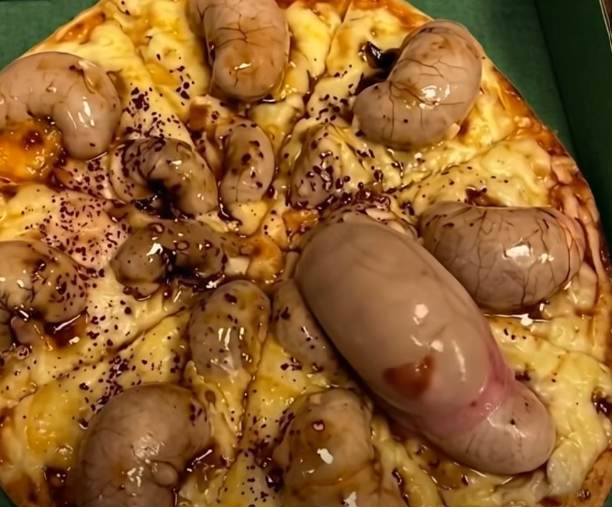
Opening a freshly delivered pizza should be a simple pleasure, especially after a long day. But sometimes, the appearance of a familiar food can raise unexpected questions. Large, smooth bubbles beneath melted cheese may look unusual enough to make someone hesitate before taking the first bite.
Although these bubbles can appear strange, they are often a normal result of the baking process. Heat, moisture, cheese composition, and the structure of the dough can combine to create inflated pockets on the surface of a pizza.
Understanding why these formations occur can help explain why some pizzas look different from others, even when they are prepared using ordinary ingredients.
Why Does Pizza Cheese Form Large Bubbles?
Pizza is baked at high temperatures, and the combination of heat and moisture can cause parts of the surface to expand.
As the pizza heats up, moisture trapped beneath the cheese or inside the dough turns into steam. If the steam cannot escape immediately, it can push upward against the surrounding ingredients, creating a raised pocket.
Cheese can also melt unevenly. As mozzarella softens, its fat and moisture move through the cheese structure, while the proteins influence how it stretches and holds its shape. Depending on the cheese and baking conditions, this can produce anything from small browned spots to large, smooth bubbles.
Several factors can contribute to the appearance of these formations:
High oven temperatures: Intense heat can rapidly generate steam and cause parts of the pizza surface to inflate.
Moisture content: Fresh mozzarella and other high-moisture ingredients may behave differently from lower-moisture cheeses.
Dough structure: Air pockets already present in the dough can expand during baking.
Cheese distribution: Uneven layers may allow steam to collect in certain areas.
Baking time: The length of time a pizza remains in the oven influences how much the cheese browns, dries, or develops bubbles.
These factors explain why two pizzas made with similar ingredients can have noticeably different surfaces.
Leave a Reply