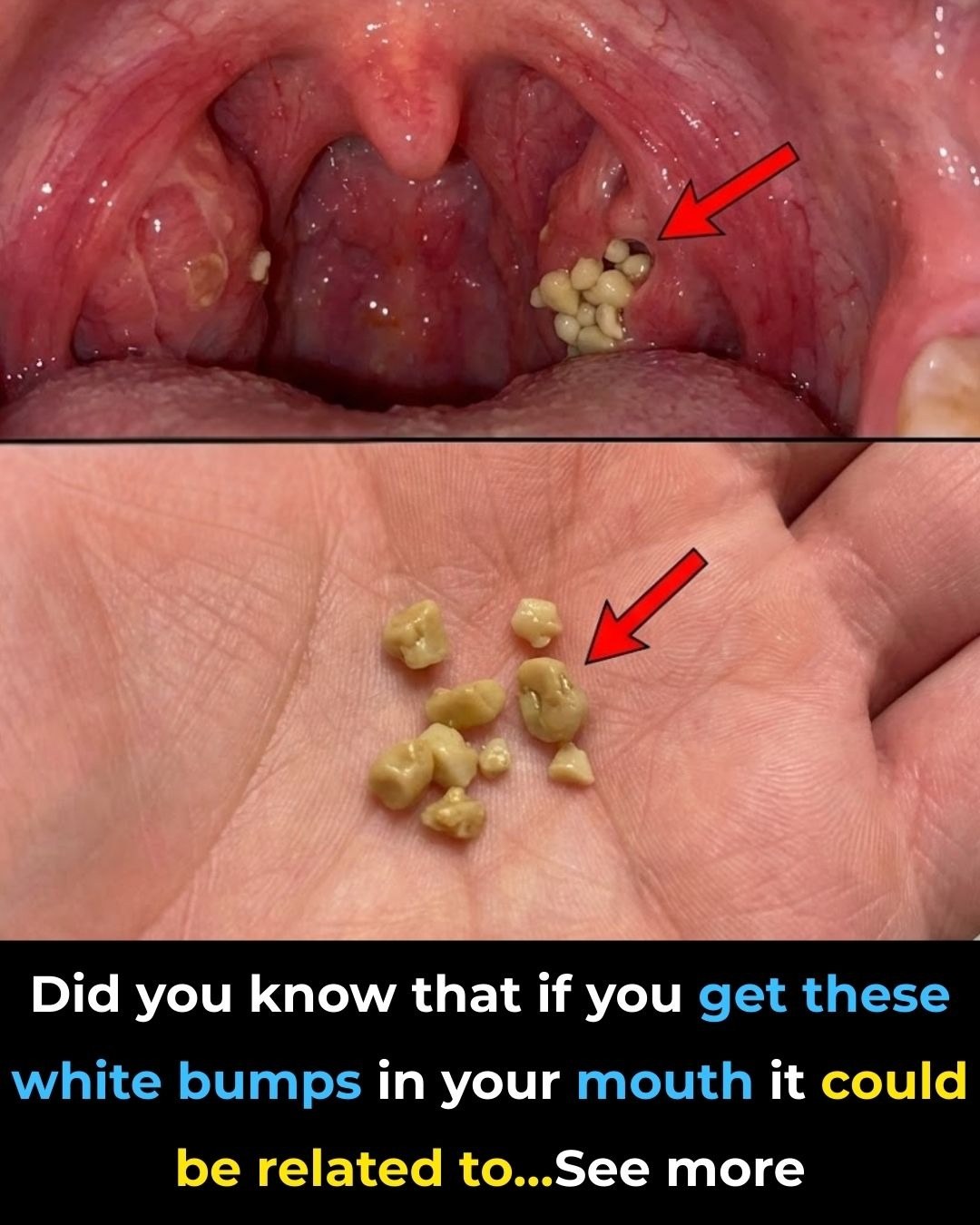
Tonsil stones are more likely to form in people with certain conditions. You may be more prone if you have deep tonsil crypts, where “Natural folds in the tonsils act as collection pockets,” or larger tonsils that provide more surface area for debris to build up. Chronic post-nasal drip can also increase risk because “Excess mucus feeds bacterial growth,” while dry mouth reduces saliva’s natural cleansing effect. Inconsistent oral hygiene can also contribute, allowing bacteria to thrive in throat tissues. However, they are not caused only by poor hygiene—natural anatomy plays a major role.
Some people never notice tonsil stones, but others may experience clear symptoms. The most common is “Persistent bad breath (halitosis) – The #1 symptom. Bacteria in stones produce volatile sulfur compounds with a distinct odor.” Another sign is a sensation of something stuck in the throat, described as “Sensation of a foreign object – That ‘something’s stuck’ feeling in the back of your throat.” They may also appear as “Visible white/yellow spots” when looking in a mirror, and can sometimes cause mild throat irritation or coughing when they dislodge. These stones are almost always harmless and not linked to serious disease.
For removal, simple home methods are usually enough. “Warm saltwater gargles – Loosen debris and reduce bacteria (½ tsp salt in 8 oz warm water, 2–3x daily)” can help. A water flosser on a low setting may gently flush out debris, but cotton swabs should be avoided because they can injure tissue. Sometimes coughing or gentle tongue pressure can naturally dislodge them.
Leave a Reply