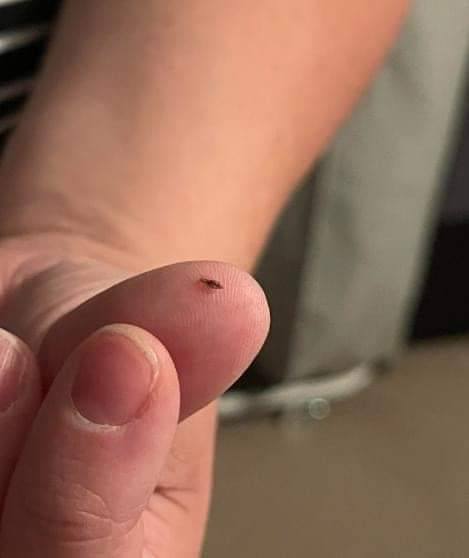
Things like head lice, almost universally elicit a similar sentiment, causing the creeps, chills, or shudders. Yet children are incredibly prone to the insects. What’s more, once the little bugs have made a home on someone’s head, they’re seemingly impossible to remove. Luckily, there are some preventative measures one can take.
Explaining Head Lice
Headlice almost universally gives people the creeps, chills, or shudders. But for those who don’t know, headlice are flightless and wingless insects that live in hair and feed on blood. They’re small and hard to see, but they don’t take long to grow in number, most commonly nesting on the scalp. The egg cycle is typically 1-2 weeks, and within another few weeks, they are fully grown.
Headlice travel from contact with another person or object and often like to hide in hat or jacket fibers, couch fabrics, or pillows, as well as in hairbrushes. Although head lice are parasitic and leave behind an itchy bite, they don’t carry disease. Furthermore, contrary to popular belief, they aren’t typically a result of poor hygiene. Like ticks and mosquitoes, headlice are drawn to blood and discriminate about the source.
Signs of Head Lice
Typically, it’s not hard to tell if someone has head lice because they’ll likely have a frequently itchy scalp. On the other hand, head lice can spread so quickly and easily that it’s helpful to know all the common signs to start treatment as soon as possible.
Head lice bites can cause an itchy scalp because, like mosquitoes, their saliva causes a type of allergic reaction. Note that this isn’t the case for everyone. Interestingly, how early the itching begins, depends on the person and their sensitivity to head lice. For example, it could take weeks to see in some kids, which certainly isn’t ideal considering how short they go from nestling in, to becoming a full-grown insect.
A rash might accompany an itchy scalp because scratching can lead to a bacterial infection. This will likely appear in the form of swollen lymph nodes, red and swollen skin, or crusting and oozing.
While an itchy scalp can take a few weeks to become apparent, Lice eggs, or Nits, can be spotted upon close inspection. This is best done with a fine-tooth comb on damp hair. Head lice or their eggs can look similar to dandruff but don’t shake away or brush off. The eggs can range in color from yellow to tan or brown. However, after they’ve been hatched, the eggs then appear white or clear yellow.
Leave a Reply